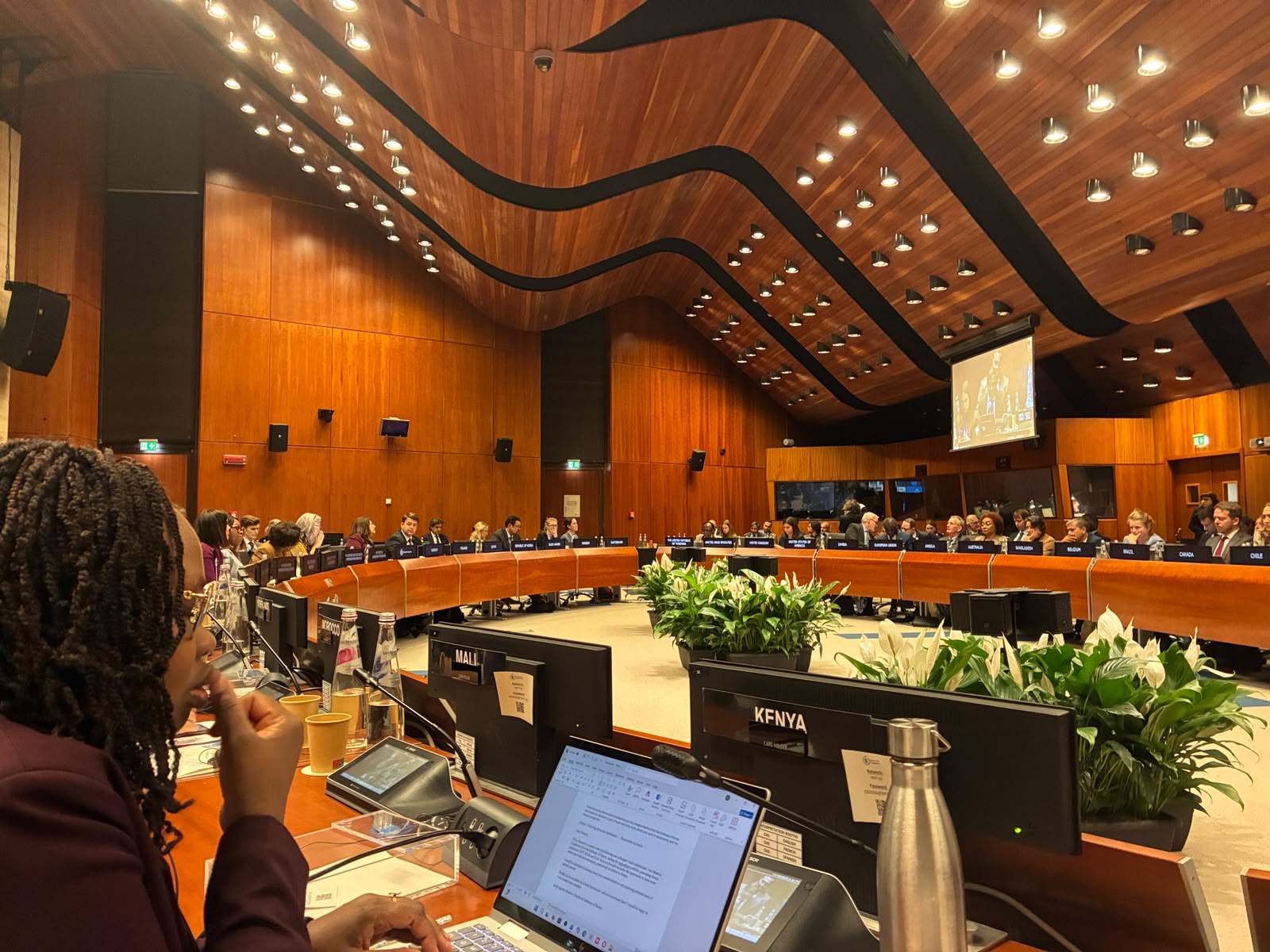
Statement by Sri Lanka (Observer)
Delivered by H.E. Satya Rodrigo, Ambassador & Permanent Representative of Sri Lanka
WFP Executive Board, Second Regular Session,
16–18 November 2026
Item 4 b) Collaboration among the Rome-based agencies
Merci, Madamela Presidente,
Madam President,
Executive Director,
Members of the Executive Board,
Distinguished delegates,
As Sri Lanka takes the floor for the first time at this session, we thank the Board for the opportunity to speak as an observer.
I wish to extend our congratulations to Executive Director Lindbergon his appointment. Let me take this opportunity to convey my best wishes to him for every success in his mandate. We welcome his dynamism and his decision to rename the headquarters the Office of Field Empowerment, which places the field, and the people closest to operations, at the centre of WFP’s work.
We also thank Mr. Carl Skau for his steady leadership as Acting Executive Director in the interim period.
Sri Lanka fully aligns with the three red lines set out in the Executive Director’s opening remarks:
- no more famine
- no more weaponization of food, and
- no more attacks on UN’s humanitarian staff.
Sri Lanka remains deeply grateful for WFP’s partnership with our country since 1968, including the School Meals programme and Anticipatory Action programme, and we reaffirm our full support for WFP’s mandate.
On the compendium, we thank the Secretariat and welcome the gap analysis, which tests whether WFP’s policies enable the Strategic Plan 2026–2029. The plan’s three outcomes and six cross-cutting priorities, including empowering women and girls and promoting localization, give a clear framework. We note, however, that youth are not named among them, even though the plan itself recognizes that youth bulges bring both a risk of mass youth unemployment and opportunities for innovation and entrepreneurship.
WFP rightly highlights women and children. As a country where nearly one quarter of the population is under 30, Sri Lanka encourages the inclusion of youth. Young people are among those most affected by hunger, displacement and climate change, yet they are also powerful agents of resilience, recovery and localization.
Their inclusion aligns closely with the Plan’s focus on skills and livelihoods. WFP’s nutrition interventions have helped many young people, including those in Sri Lanka reach their full potential.
Last month, at the World Food Forum Youth Assembly, I spoke on the panel “Sustaining Youth Infrastructure in the FAO Technical Committees.” I put forward three principles:
- that youth mechanisms should have a recognized and predictable place;
- that the process should remain Member-led, with usable inputs; and
- that it should connect the national to the global.
I believe they apply here too.
The Executive Directoris our young CEO, our “Chief Empowerment Officer,” as our colleague from the European Union put it. As the youngest person to lead WFP in history, he is well placed to champion this.
We respectfully request that he consider giving youth a greater place among WFP’s priorities and engaging young people on the ground not only as beneficiaries but in operational leadership.
Lastly, may I extend our appreciation to you Madam President on your able and steady leadership, wisdom and fairness of the conduct of the work of the Board in 2026, as the Board marked its 30th anniversary and a period of leadership transition.
Je vous remercie. I thank you.